Gym Management Software Development: How Fitness Centres Are Replacing Off-the-Shelf Tools
A fitness centre can have skilled trainers, modern equipment and a growing member base yet still lose hours every week to disconnected software. Membership changes sit in spreadsheets while bookings, payments and access control operate in separate tools.
This is why gym management software development is becoming a serious priority for growing gyms and fitness brands. The aim is not to build more technology for the sake of it. The aim is to create one reliable platform that reflects how the business sells memberships, serves members and plans expansion.
Why Off-the-Shelf Gym Software Starts to Fail
Ready-made software can work well for a small fitness centre. It is quick to launch and usually covers basic membership records, payments and class bookings.
The problem appears when the business becomes more complex than the software. A growing gym may introduce family plans, corporate memberships, personal training packages, off-peak access or multi-branch privileges. Standard platforms may support some of these options but not the exact rules the business needs.
Staff then create workarounds. They update spreadsheets, send reminders separately and rely on notes to manage exceptions. These extra steps increase the risk of billing errors, missed follow-ups and inconsistent service.
The Hidden Cost of Disconnected Fitness Centre Software
The biggest cost is not always the subscription fee. It is the time lost between systems.
Imagine a member upgrading from a basic plan to a premium package with personal training. The reception team updates the membership. The accounts team changes the payment plan. A trainer receives a separate message and access rights must also be updated.
If these actions happen in different tools, one missed step can create a poor experience. The member may be charged incorrectly or denied access after paying.
A custom gym management system can connect the process. Once the upgrade is approved, the platform can update billing, assign training credits, change access permissions and notify the right staff member.
What a Custom Gym Management System Should Solve
A good platform should not begin with a long feature list. It should begin with the business problems that are slowing growth or affecting revenue.
Membership and Customer Lifecycle Management
The member journey starts before a person pays. A prospect may submit an enquiry, book a trial and speak with a sales advisor before joining.
A custom platform can maintain one customer profile from the first enquiry through renewal or cancellation. Staff can see contact history, trial activity, selected plans, payment status, attendance and bookings in one place.
The same system can manage upgrades, downgrades, freezes, family accounts and corporate memberships.
Payment and Subscription Management
Fitness businesses collect revenue from monthly memberships, annual plans, personal training, specialist classes and joining fees.
A connected billing module can link each transaction to the correct member account. It can process renewals, issue receipts and record refunds.
Failed payments should trigger an immediate workflow. The system can notify the member and alert staff while keeping access rules aligned with the gym’s policy.
Class, Trainer and Access Management
Scheduling becomes difficult when a gym has several trainers, rooms and service types. A booking may depend on membership level, trainer availability, class capacity and cancellation rules.
Custom fitness centre software can apply these rules automatically. It can prevent double bookings, manage waiting lists and send reminders. It can also offer cancelled spaces to the next eligible member.
The same platform can connect attendance with QR codes, membership cards or biometric readers. A regular member who stops visiting can then be flagged for a personalised follow-up.
Fitness Management Platform Features That Support Growth
The best fitness management platform features are the ones that improve decisions as well as operations.
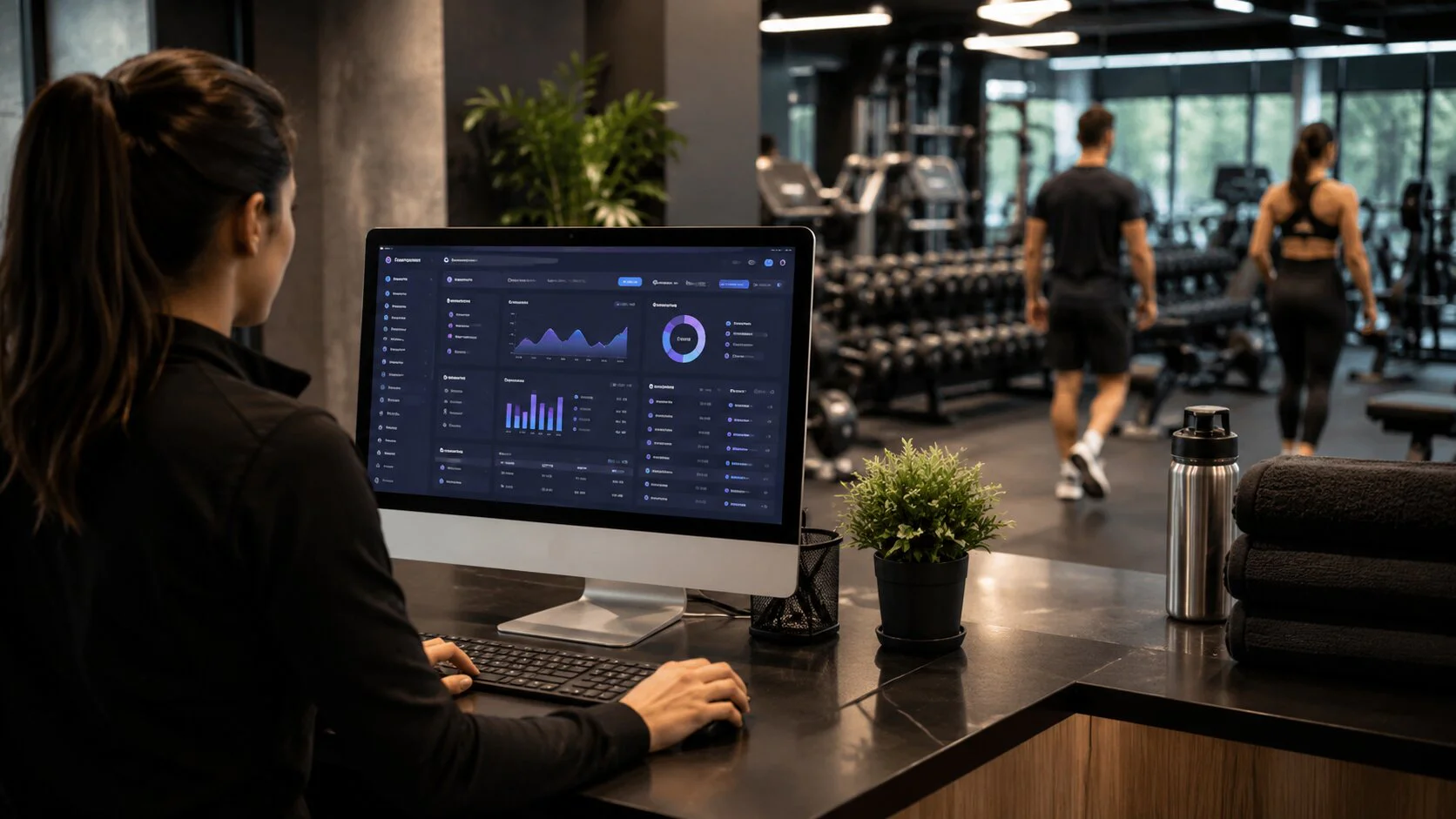
A useful reporting system should answer commercial questions. Which membership plan retains customers longest? Which branch has the strongest recurring revenue? Which classes are underused? How much income is being lost through failed payments?
Lead-to-member conversion, recurring revenue, payment recovery, class utilisation and retention are far more valuable than surface-level activity numbers.
Why Gym App Development Matters
Members increasingly expect to manage fitness services through their phones.
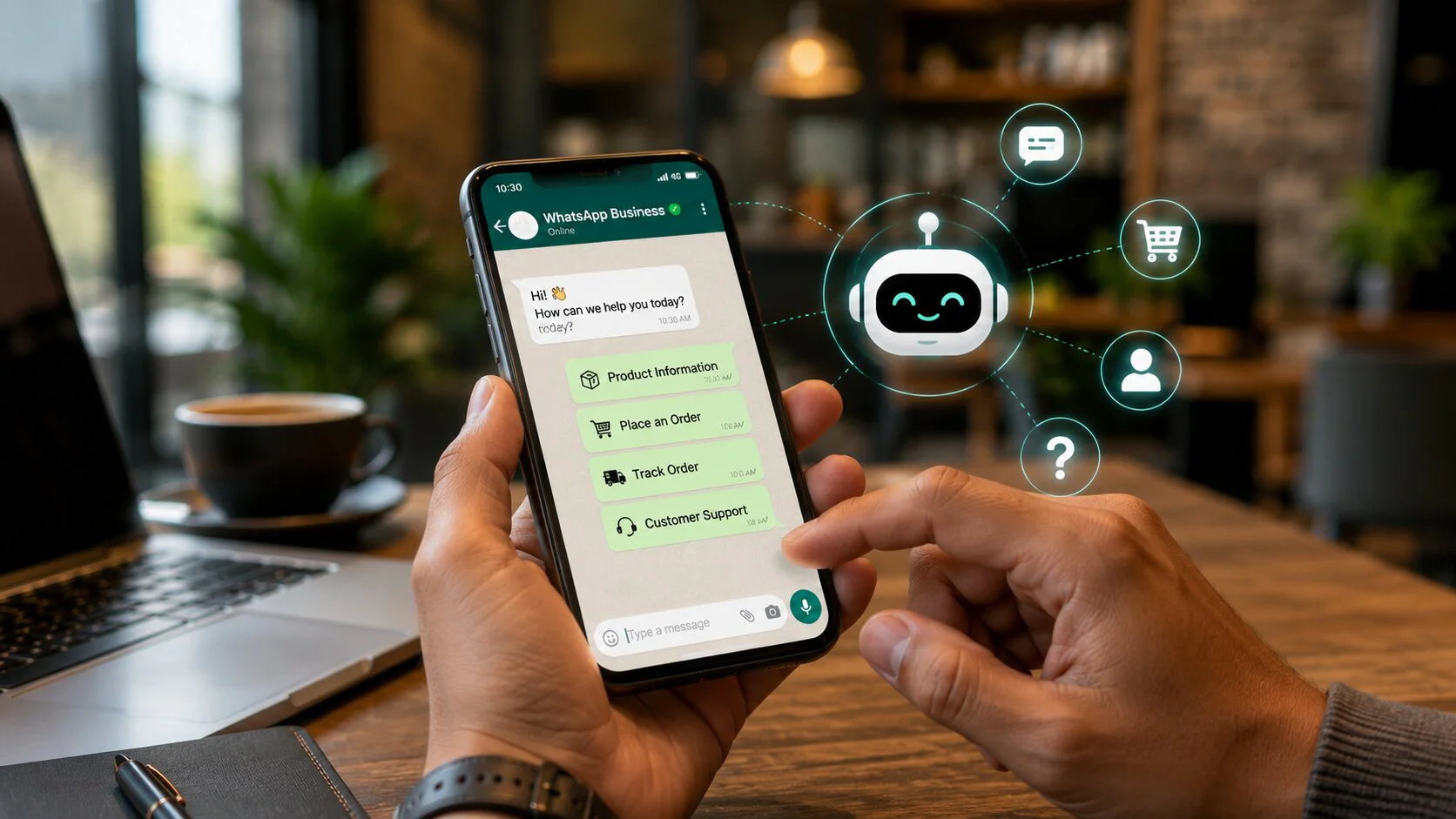
A well-planned app can allow users to purchase memberships, book classes, manage payments and view training plans. It can also support trainer communication and progress tracking.
The value of gym app development depends on how useful the app becomes in the member’s weekly routine. A digital membership card alone may create limited value. An app that removes booking friction and simplifies account management can improve engagement and reduce pressure on front-desk staff.
Off-the-Shelf Software or Custom Development?
The right choice depends on the business model.
Off-the-shelf software is often suitable for a single-location gym with standard memberships and limited integration needs. It is usually faster to implement and requires a lower initial investment.
Custom development becomes more attractive when the business has complex pricing, several locations, specialised services or multiple systems that need to work together.
A custom platform requires more planning but it gives the business greater control over workflows, integrations, reporting and future development.
How to Plan Gym Management Software Development
The development team needs to understand how leads enter the business, how memberships are sold and how payments are processed. It should also review booking rules, staff permissions, reporting needs and common exceptions.
The next step is to define a focused first release. The initial version should solve the highest-value problems instead of trying to include every possible feature. A practical first release may cover membership management, subscriptions, scheduling, attendance and reporting.
Technical planning should then define whether the business needs a web portal, mobile apps or both. Security must also be built in from the beginning. The system should use secure authentication, encrypted communication, role-based access and protected APIs. Testing should cover failed payments, frozen memberships, cancelled classes, refunds and trainer substitutions.
What Influences Development Cost?
The cost depends on business rules, integrations and platform requirements.
A web-based member portal will usually cost less than a multi-location platform with mobile apps, payment automation and hardware integrations.
Data migration can add work when records are spread across spreadsheets and older systems. Incomplete or duplicate information may need to be cleaned before transfer.
A reliable estimate should follow a structured discovery phase. A fixed quote based on a short feature list rarely reflects the real complexity of the project.
Build Software Around the Fitness Business
Gym management software development becomes valuable when generic tools begin limiting membership flexibility, staff efficiency and business growth.
The strongest approach is to start with workflow discovery and launch a focused first version. The platform can then grow according to real user behaviour and business priorities.
Develop Your Gym Management Platform with Idiosys Tech
Idiosys Tech helps fitness centres, gym chains, personal training companies and fitness technology businesses build custom web and mobile platforms around their actual operating requirements.
The team can develop administration systems, member portals, mobile apps, reporting dashboards and third-party integrations.
Rather than applying the same feature package to every project, Idiosys Tech can assess your current processes and define a phased roadmap based on operational value. This keeps the project focused on measurable business outcomes.
Contact Idiosys Tech to discuss your gym management software requirements and receive a practical roadmap based on your business model and growth plans.
------------------------------------------------------------------------------------------------------------------
What is gym management software development?
Gym management software development is the process of creating a digital platform for memberships, payments, bookings, attendance and reporting. A custom platform is designed around the fitness business’s own workflows rather than the fixed structure of a ready-made product.
Why should a fitness centre choose custom software?
Custom software is useful when existing tools cannot support the required membership rules, integrations or reporting. It gives the business greater control over operations, customer experience and future development.
Can custom gym software support several locations?
Yes. A custom system can manage different staff, prices, facilities and schedules for each branch. It can also provide centralised reporting across the fitness network.
Does every gym need a mobile app?
No. Some businesses may achieve their goals through a responsive member portal. A mobile app becomes more valuable when members frequently book classes, manage payments or access digital training services.
Can existing gym software be upgraded?
Yes. Existing systems can often be improved through interface redesign, performance optimisation, mobile app development or new integrations. A technical assessment can determine whether upgrading is more practical than replacing the platform.
------------------------------------------------------------------------------------------------------------------
You May Also Read
How Custom Fitness & Gym Management Apps Are Boosting Member Retention in 2026
Sumit Kumar Paramanik
Senior Full Stack Web Developer, Idiosys Tech
A dynamic Senior Full Stack Web Developer and team lead, turns ideas into powerful digital solutions. Mastering both front-end and back-end, he inspires his team to deliver scalable, high-impact projects that elevate user experience.