How to Launch an On-Demand Beauty App: Features, Tech Stack & Go-to-Market
Customers increasingly expect beauty and wellness services to be available on demand. They want to compare treatments, check availability, choose a professional and confirm an appointment without calling several salons.
For startups and established beauty businesses, on-demand beauty app development creates an opportunity to deliver this experience through a scalable platform. An on-demand salon app can support salon appointments, home services or a marketplace connecting customers with independent professionals.
Success depends on much more than app design. The business model, scheduling system, provider network, payments, and launch strategy must work together.
Choose the Right Business Model Before Development
The first decision is how the platform will operate.
A salon chain may need one booking system across several branches. A marketplace may connect independent beauticians with local customers. Another platform may specialise in at-home beauty or wellness services.
A hybrid model can support both salon appointments and home visits. This offers greater flexibility although it also creates more complex scheduling and provider-management requirements.
Your model determines how providers join the platform, how commissions are calculated, how appointments are assigned and how payments are processed.
For this reason beauty services app development should begin with business-process planning rather than interface design.
Validate Demand Before Investing in a Full Platform
Before developing a large product, confirm that the target market has a real booking problem.
Start with one location and one clearly defined customer segment. Speak with potential customers as well as salons and independent professionals.
Customers may struggle with unavailable appointments, unclear prices, inconsistent service quality or difficulty finding trusted professionals. Providers may struggle with missed calls, empty appointment slots and manual diary management.
Your first release should solve the most important issues rather than imitate every feature available in established apps.
Validation also helps determine whether you have enough provider supply. A beauty marketplace cannot succeed if customers arrive but cannot find suitable appointments.
Prioritise Salon Booking App Features That Support Conversion
The customer experience should make booking faster than calling a salon directly.
Important salon booking app features include service discovery, provider profiles, live availability, appointment booking, secure payments, notifications, reviews and booking history.
Users should see enough information to make a confident decision. Service duration, pricing, provider availability, location and cancellation conditions should be clear before payment.
Search and filtering become especially important when many providers are available. Customers may want to filter by treatment, price, location, rating or appointment time.
Businesses that need workflows beyond standard scheduling software can use an on-demand service application designed around their own service model and booking rules.
Keep the Customer Journey Simple
Every unnecessary step creates another opportunity for a potential customer to leave.
Avoid forcing users to complete long registrations before viewing services or availability. Let them understand the offer first.
Customer accounts can then store previous bookings, favourite providers, preferred services and saved addresses.
Appointment confirmations and reminders are also important. Customers should know when a booking is confirmed and what happens if they need to reschedule.
Reviews can increase confidence when someone is choosing an unfamiliar provider.
The objective is to remove uncertainty while keeping the booking process quick.
Give Providers Tools They Will Actually Use
An on demand salon app must work for beauty professionals as well as customers.
Providers should be able to manage services, prices, working hours and availability without depending on the platform administrator for every change.
They may also need visibility into upcoming appointments, completed services, earnings and relevant customer information.
Home-service providers may need additional control over service areas and travel availability.
If professionals still need spreadsheets or separate calendars after joining the platform the software has not solved enough of their operational workload.
Provider experience should therefore be treated as a core product requirement.
Treat Scheduling as a Business-Critical System
Scheduling is far more complex than displaying open calendar slots.
A salon may have six employees while only two can perform a specific treatment. A massage appointment may take up to 90 minutes while a haircut takes 30 minutes. Certain services may also require a particular room or piece of equipment.
At-home beauty services introduce travel time between bookings.
The scheduling engine may need to consider provider skills, service duration, business hours, breaks, location and resources before presenting availability.
Weak scheduling logic creates double bookings and unrealistic appointment times.
For on-demand beauty app development the booking engine should therefore be designed around real operating rules from the beginning.
Plan Monetisation Before Coding Payment Workflows
The revenue model determines how the payment system should work.
A salon-owned platform may simply charge customers directly for appointments. A marketplace may earn a commission from every completed booking.
Other possibilities include provider subscriptions, premium listings, promotional placements or booking fees.
The model should match the type of platform.
A new marketplace may prefer commissions because providers pay only when they receive business. A mature platform with consistent demand may later introduce subscription options or premium visibility.
Payment flows should record the total booking value, platform commission, discounts, refunds and provider earnings accurately.
Cancellation and refund rules also need to be defined before development.
Choose a Tech Stack Around Requirements
There is no single best technology stack for every beauty platform.
For cross-platform applications Flutter or React Native may reduce the need to maintain completely separate Android and iOS codebases.
React or Next.js can support web interfaces. Node.js, Python or Java can be considered for backend services. PostgreSQL or MySQL can manage structured data such as bookings, customers, providers and payments.
Cloud platforms can support infrastructure as usage grows.
Technology should be selected based on scalability, security, integration requirements and long-term maintenance rather than popularity.
The development team should first understand what the product must do then select technologies that support those requirements efficiently.
Plan Essential Integrations Early
An on-demand beauty platform rarely operates in isolation.
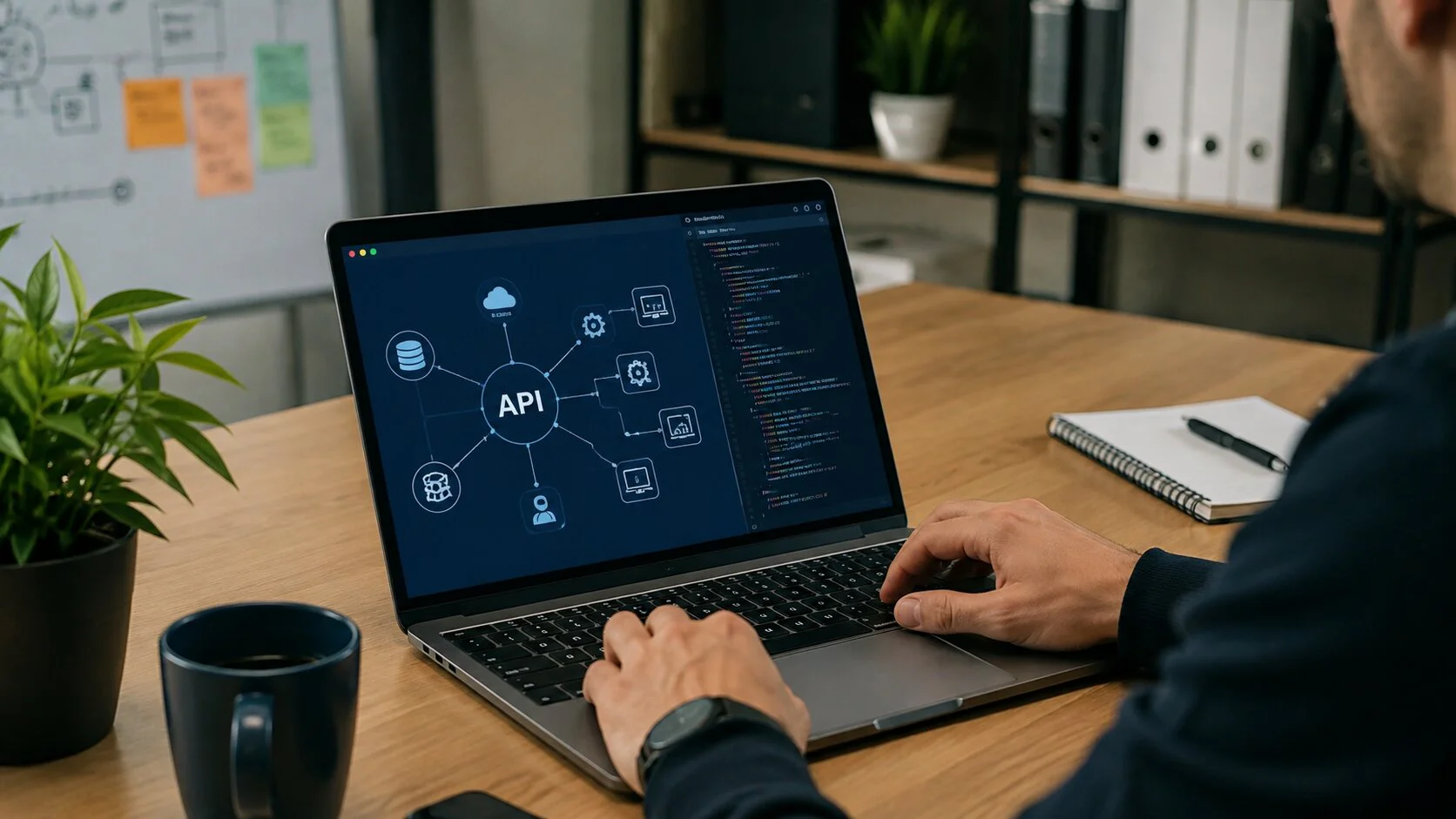
It may need payment gateways, mapping services, push notifications, SMS or email systems and analytics platforms.
A salon chain may also need integration with an existing CRM or accounting platform.
Marketplace businesses may require provider payout systems.
Integration planning should happen during architecture design. Adding critical connections after development can create unnecessary complexity.
A properly planned on-demand service application can centralise booking operations while exchanging data with the systems already used by the business.
Launch an MVP Instead of Overbuilding
The first version should prove that customers will book and providers can fulfil those bookings reliably.
An MVP normally needs service listings, provider profiles, availability management, booking functionality, payments, notifications and basic administration.
Do not automatically add loyalty programmes, memberships, gift cards, AI recommendations and advanced analytics to the first release.
These features may create value later. They should not delay validation of the core transaction.
A focused MVP lowers initial complexity and gives the business real usage data before further investment.
Understand What Affects Development Cost and Timeline
There is no meaningful fixed price for every beauty app because complexity varies significantly.
A single-salon booking platform will normally require less development than a multi-provider marketplace operating across several cities.
Cost and timeline are influenced by the number of user roles, scheduling complexity, payment structure, location features, integrations, admin requirements and number of platforms.
Advanced functionality such as automated provider matching, route calculations or complex payout rules can increase development effort further.
Before requesting quotations businesses should document their essential workflows and separate launch requirements from future features.
This produces more realistic project estimates and reduces unnecessary scope expansion.
Test the Full Booking Process Before Launch
Testing should cover more than whether individual screens work.
The complete booking journey needs to be tested under realistic conditions.
Check what happens when a payment succeeds and when it fails. Test appointment cancellations and rescheduling. Verify whether providers receive notifications correctly.
Also test unavailable time slots, refund scenarios and administrator intervention.
Marketplace businesses should simulate several providers receiving bookings at the same time.
This is particularly important because errors in scheduling or payments directly affect customer trust.
Technical testing should be combined with a small controlled launch before spending heavily on marketing.
Solve Provider Supply Before Scaling Customer Acquisition
One of the biggest challenges in an on demand salon app is balancing customer demand with provider availability.
A large advertising campaign can generate thousands of visitors. If those users cannot find suitable appointments the marketing budget is being wasted.
Start by creating sufficient provider density in one target area.
Recruit reliable salons or professionals and ensure their profiles contain accurate prices, services and availability.
Once customers can consistently find useful appointment options the business can increase acquisition through local SEO, Google Ads, Meta campaigns, creator partnerships and referral programmes.
An On-Demand Service Application should make it easier to monitor both customer demand and provider capacity while the marketplace expands.
Measure Business Health After Launch
Downloads are useful but they are not the primary measure of success.
Track completed bookings and repeat usage.
Booking conversion rate shows how effectively visitors become customers. Cancellation rate can reveal provider or scheduling problems. Average booking value helps measure transaction quality.
Customer acquisition cost indicates whether marketing remains commercially sustainable.
Provider utilisation is equally important. If providers remain largely idle the platform may have insufficient demand. If customers regularly encounter unavailable appointments the business may need more supply.
These metrics help identify where growth is actually being constrained.
Avoid Common Launch Mistakes
One mistake is trying to launch too many service categories immediately.
Hair treatments, nails, massage, skincare and wellness services can require different scheduling rules.
Another mistake is creating a directory rather than a booking platform. If customers still need to call providers to confirm availability much of the convenience has been lost.
Businesses should also avoid increasing marketing spend before confirming that provider capacity can support the additional demand.
Product development and marketplace growth need to progress together.
Conclusion
Successful on-demand beauty app development requires more than attractive design. The business needs reliable scheduling, provider management, payments, integrations and a realistic customer acquisition plan.
An on demand salon app should reduce booking friction for customers while giving professionals a practical system for managing appointments and availability.
Start with one clear business model and a focused market. Validate the core transaction through an MVP then improve the platform using real booking and provider data.
The strongest beauty marketplaces are not simply apps. They are operational systems designed to balance customer demand with reliable service delivery.
How Idiosys Tech Can Support Your On-Demand Beauty Platform
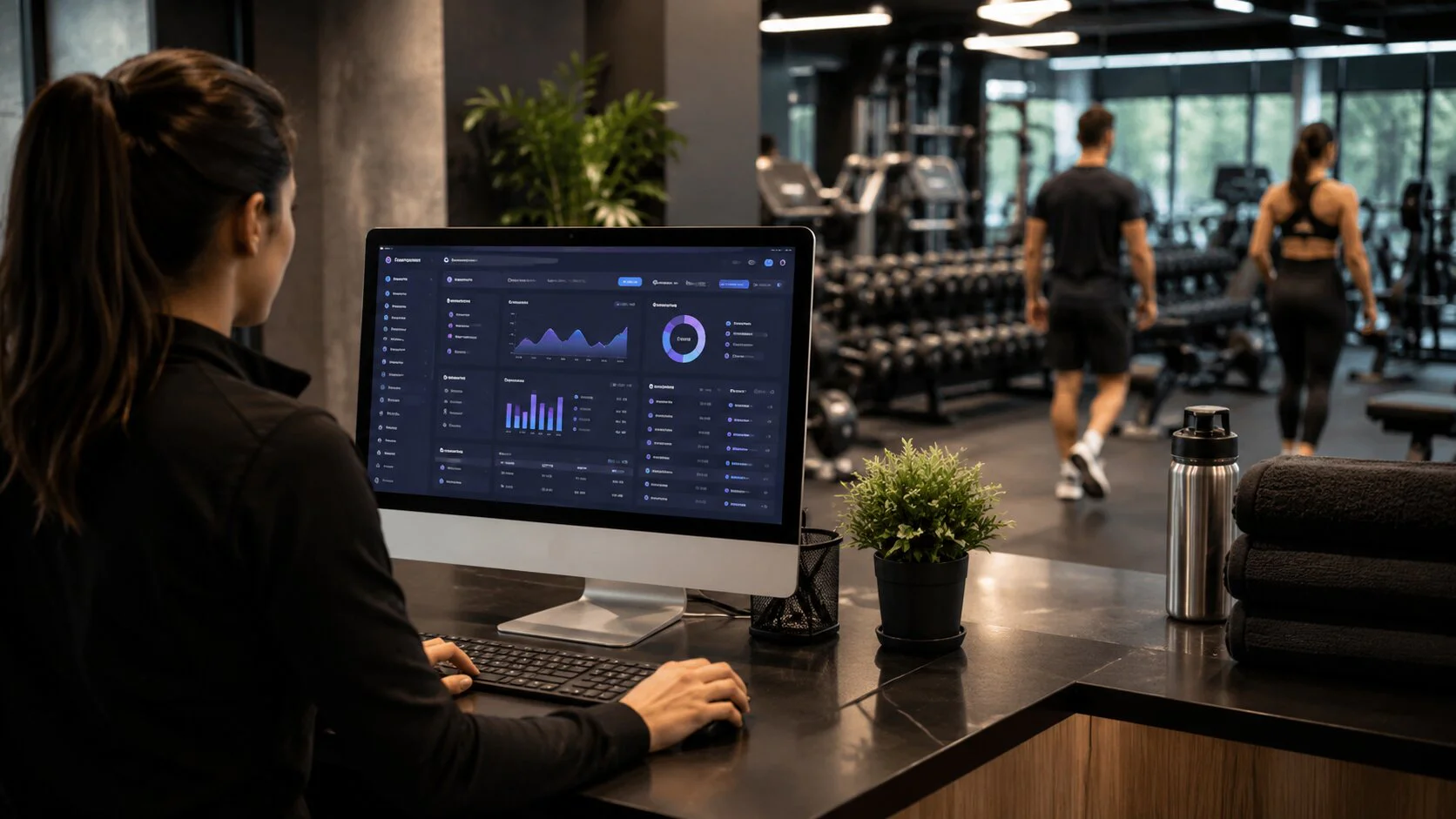
Beauty and wellness businesses often require booking workflows that generic scheduling software cannot handle. Multi-provider availability, home-service areas, commission structures, payment integrations and operational dashboards may all need to follow specific business rules.
Idiosys Tech provides on-demand service application development for startups, salon groups and service marketplaces that need a platform designed around their operating model. The service can cover customer booking interfaces, provider dashboards, scheduling systems, admin controls, payment integrations and scalable backend architecture. This gives businesses a stronger foundation for launching an MVP and expanding the platform as booking volume, provider networks and service locations grow.
------------------------------------------------------------------------------------------------------------------
What are the most important salon booking app features?
Core features include service listings, provider profiles, real-time availability, bookings, payments, notifications, reviews and admin management.
How can an on demand salon app generate revenue?
Revenue can come from booking commissions, provider subscriptions, service fees or premium listings. The right model depends on the platform structure and target market.
Should a beauty marketplace launch in multiple cities at once?
Usually it is better to establish strong provider availability in one market first. Expanding too early can leave customers with limited appointment options.
What affects beauty app development cost?
The major factors include platform complexity, number of user types, booking logic, payment flows, integrations, location features and administrative requirements.
How should a beauty app be marketed after launch?
Provider supply should be established first. Customer acquisition can then use channels such as local search, paid advertising, social media, creator partnerships and referrals depending on the target market.
------------------------------------------------------------------------------------------------------------------
You May Also Read
Why On Demand Home Services App Development Is Booming Worldwide?
Subir Das
Senior Mobile App Developer, Idiosys Tech
A senior mobile app developer brings ideas to life with powerful Android and iOS apps. With a focus on innovation and user delight, he leads his team to create seamless, engaging, and impactful mobile experiences.