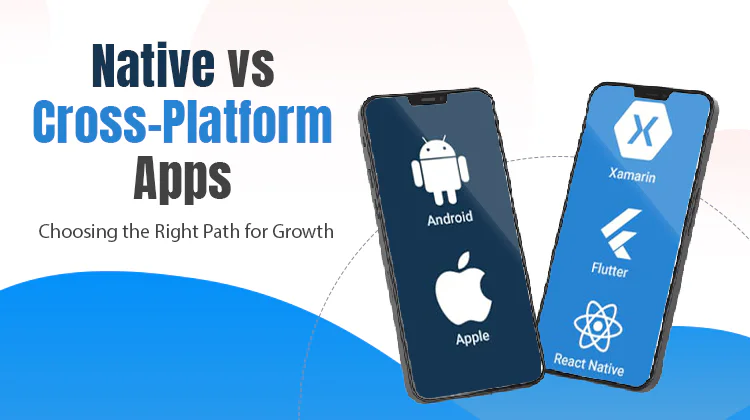
Native vs Cross-Platform Apps: Choosing the Right Path for Growth
Choosing the right mobile app technology is one of the most important decisions businesses make during digital expansion. In 2026, mobile apps are no longer side projects—they are core business platforms that support customer engagement, operations, and revenue. The choice between native and cross-platform development directly affects scalability, performance, maintenance, and long-term flexibility.
For startups planning rapid market entry and enterprises managing complex ecosystems, understanding this decision is critical. A seasoned mobile app development agency helps organizations evaluate these options based on real business needs, not trends alone. This guide explains the differences between native app development and cross platform mobile app development, and how businesses can choose the right path for sustainable growth across India, the USA, and the UK.
Why the Native vs Cross-Platform Decision Matters
Technology decisions made early in development often determine whether an app thrives or struggles as usage grows. Performance bottlenecks, rising maintenance costs, and limited scalability usually trace back to initial architecture choices.
A professional mobile app development agency for enterprises evaluates how an app will evolve over time. This includes user growth, feature expansion, data complexity, and regional rollout. The native versus cross-platform choice is not about which approach is “better,” but which aligns best with long-term business objectives.
Understanding Native App Development
Native app development involves building separate applications for each platform, typically using Swift or Objective-C for iOS and Kotlin or Java for Android. These apps are designed specifically for their operating systems and integrate deeply with device capabilities.
Native apps often deliver superior performance and smoother user experiences. They handle complex animations, heavy data processing, and advanced hardware features more efficiently. For businesses where speed, reliability, and refined UX are critical, native development provides strong advantages.
A mobile app development agency often recommends native development for applications with high concurrency, real-time interactions, or advanced security requirements. These qualities make native apps a strong choice for enterprise-grade platforms.
Understanding Cross Platform Mobile App Development
Cross platform mobile app development allows a single codebase to run on multiple platforms using frameworks such as Flutter or React Native. This approach reduces development time and can simplify maintenance, especially during early growth stages.
For businesses aiming to launch quickly or validate ideas across markets, cross-platform solutions can be attractive. Updates can be rolled out simultaneously, and teams can focus on a unified development workflow.
An experienced mobile app development agency ensures cross-platform apps are optimized for performance and user experience, reducing the traditional trade-offs associated with shared codebases.
Performance and User Experience at Scale
Performance is a key differentiator between native and cross-platform apps. Native apps generally offer faster response times and smoother interactions, especially under heavy load. As user numbers grow, this advantage becomes more noticeable.
Cross-platform apps have improved significantly in recent years, but performance can still vary depending on complexity. For applications with moderate interaction and predictable workflows, cross-platform solutions perform well. However, apps with high-frequency updates or complex animations often benefit from native optimization.
A mobile app development agency for enterprises evaluates performance expectations early, helping businesses avoid costly rework as scale increases.
Scalability and Long-Term Growth
Scalability goes beyond handling more users. It includes the ability to add features, integrate systems, and expand into new markets without disruption.
Native app development offers greater control over platform-specific optimization, which can be valuable for long-term scaling. Cross-platform development simplifies feature parity across platforms, which is beneficial when speed of expansion is a priority.
Businesses working with Idiosys Technologies, a mobile app development company in Kolkata often benefit from cost-efficient development combined with scalable planning. When paired with teams in the USA and UK, this approach supports global growth without compromising quality.
Maintenance, Updates, and Cost Considerations
Maintenance is a practical concern for decision-makers. Native apps require separate updates for each platform, increasing effort over time. Cross-platform apps centralize updates, which can reduce maintenance complexity.
However, cost should not be evaluated in isolation. Apps that require frequent optimization or platform-specific fixes may incur higher long-term costs if built without proper planning. A capable mobile app development agency weighs initial savings against future maintenance realities to recommend the most cost-effective path.
Security and Compliance Factors
Security requirements often influence technology choices. Native apps provide deeper access to platform security features, which can be important for apps handling sensitive data or financial transactions.
Cross-platform frameworks support strong security measures, but implementation quality matters. For regulated industries or enterprise environments, a mobile app development agency for enterprises may recommend native development to ensure compliance and granular control.
For businesses operating across India, the USA, and the UK, security and compliance expectations vary. Experienced development teams adapt architectures to meet regional standards while maintaining consistency.
Global Expansion and Localization
Apps built for global audiences must perform reliably across regions and devices. Localization, network variability, and user behavior differences affect user experience.
A mobile app development agency considers how each approach supports international growth. Cross-platform development simplifies simultaneous global releases, while native development enables region-specific optimization when required.
Working with Idiosys Technologies, a mobile app development company in Kolkata, alongside teams in the USA and UK, allows businesses to combine global reach with local insight. This distributed expertise supports smoother international expansion.
Choosing the Right Path Based on Business Goals
There is no universal answer to the native versus cross-platform debate. The right choice depends on factors such as time-to-market, performance expectations, budget, and long-term vision.
Startups often prioritize speed and flexibility, making cross-platform development appealing. Enterprises with established user bases and complex requirements may lean toward native development for control and performance.
A trusted mobile app development agency helps businesses map these considerations to clear recommendations, ensuring technology choices support growth rather than limit it.
The Role of Strategic Development Partners
The success of either approach depends heavily on execution. Poorly implemented native apps can underperform, and poorly optimized cross-platform apps can frustrate users.
Partnering with a mobile app development agency for enterprises ensures decisions are guided by experience, testing, and scalability planning. Teams with global presence bring diverse perspectives, reducing risk and improving outcomes.
Final Thoughts
The choice between native and cross-platform apps shapes how businesses grow, compete, and innovate in 2026. Both approaches have strengths, and the right path depends on strategic alignment rather than trends.
By working with an experienced mobile app development agency, businesses gain clarity on performance, scalability, and future expansion. Whether choosing native app development or cross platform mobile app development, informed planning ensures the app supports growth across markets and devices.
--------------------------------------------------------------------------------------
What is the main difference between native and cross-platform apps?
Native apps are built specifically for each platform, while cross-platform apps use a shared codebase across platforms.
Which option is better for enterprise applications?
Native development is often preferred for enterprise apps due to performance, security, and scalability benefits.
Is cross platform mobile app development suitable for startups?
Yes. It allows faster launches and easier updates, making it suitable for early-stage growth.
How does performance compare between the two approaches?
Native apps generally offer better performance, especially for complex or high-traffic applications.
Can cross-platform apps scale for global users?
Yes, with proper optimization and planning, cross-platform apps can support global growth.
How can a mobile app development agency help decide?
A professional agency evaluates business goals, technical requirements, and growth plans to recommend the best approach.
--------------------------------------------------------------------------------------
You May Also Read
Why Mobile Apps Fail to Scale After Launch and How to Prevent It
How High-Speed Internet is Reshaping the App Development Landscape
Build a Home Services App in 2025: Complete Success Guide
Sayantan Santra
Associate Mobile App Developer, Idiosys Tech
An Associate Mobile App Developer with 2+ years of experience, creates sleek and user-friendly apps. Skilled in both Android and iOS development, he focuses on delivering smooth performance and engaging user experiences.