Building a Conversational Chatbot for Education: Step-by-Step Development Guide
Imagine a world where students can ask, “What’s my next class?” or “How do I apply for admission?” — and get instant answers, 24/7. No long waits. No unanswered emails. Just smart, personalized help. That’s what a conversational chatbot for education brings to schools and colleges today.
In 2025, institutions worldwide are realizing that AI-driven communication isn’t a luxury — it’s a necessity. A conversational AI chatbot doesn’t just automate responses; it transforms how students, parents, and staff interact with your institution.
Whether it’s simplifying admissions, supporting learners online, or sharing campus updates, chatbots are making education more efficient and accessible. In this guide, we’ll explore how to build one — step-by-step — and how it can completely reshape student engagement.
The Rise of Conversational Chatbots in Modern Education
The education landscape is no longer limited to classrooms and noticeboards. Digital transformation has shifted how schools and colleges communicate. Students today expect quick answers, personalized attention, and round-the-clock support.
That’s where chatbots in education excel. They respond instantly, manage multiple queries at once, and deliver accurate, consistent information. Whether it’s answering questions about courses or helping with assignments, chatbots are becoming the bridge between technology and human connection in education.
Institutions that adopt chatbots early gain a competitive edge — improving student satisfaction, optimizing staff time, and projecting an image of innovation and inclusivity.
Understanding the Power of Conversational AI Chatbots
A conversational AI chatbot uses natural language processing to understand, interpret, and respond to users just like a human would. It learns over time, recognizes intent, and adapts to different queries.
In the education sector, this means more than automation — it means human-like interaction. From guiding a new applicant through admission steps to helping a student find exam results, a chatbot becomes a virtual assistant that never sleeps.
And unlike static FAQs, conversational chatbots are interactive. They engage users through personalized replies, offer suggestions, and even create emotional connections — a vital factor in the learning environment.
Step-by-Step Development Guide for an Educational Chatbot
Let’s explore the entire process of building a chatbot for education, from defining its purpose to launching it successfully.
1. Start with a Clear Vision and Defined Goals
Before development begins, your institution needs a solid purpose for the chatbot. Is it meant for admissions? Academic support? Campus updates? Or all of the above?
Understanding your audience — students, parents, or staff — is the foundation. Schools might use chatbots to share homework updates or attendance, while colleges could automate course inquiries or scholarship applications.
A clear vision helps your team design relevant conversations that align with your goals, making your chatbot truly useful rather than just another digital feature.
2. Craft a Natural, Human-Like Conversation Flow
A good chatbot doesn’t sound robotic. It feels like a friendly guide who knows the campus inside out.
Create conversation maps that mirror real student interactions — from greetings to follow-ups. Use warm, natural language and anticipate multiple responses. For example, when a student asks about “MBA programs,” your chatbot could reply:
“We offer both full-time and part-time MBA programs. Would you like to know about eligibility or course structure?”
This keeps the conversation engaging, logical, and user-friendly. Remember — tone matters. The chatbot should reflect your institution’s personality: helpful, approachable, and knowledgeable.
3. Choose the Right Platforms for Maximum Impact
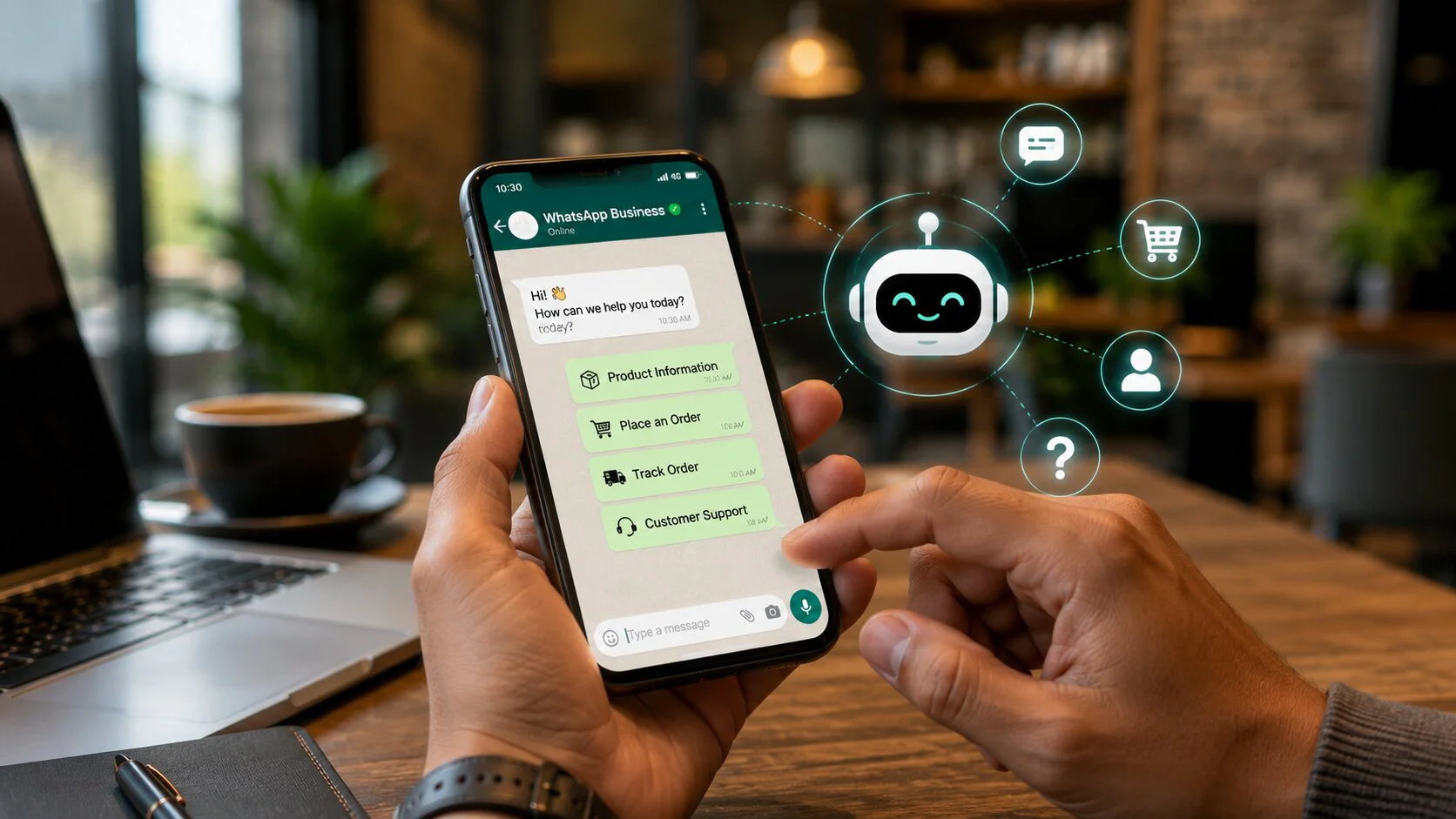
The success of your conversational chatbot depends on where it lives. You can deploy it on your school website, learning portal, mobile app, or even popular messaging platforms like WhatsApp, Facebook Messenger, or Telegram.
Each platform serves a purpose — websites are perfect for prospective students, while messaging apps are great for existing ones who need quick, everyday updates.
A professional web app development company can help you integrate the chatbot seamlessly across channels, ensuring consistent communication and user experience.
4. Give Your Chatbot a Personality That Represents Your Institution
Every great chatbot has a personality — one that builds instant trust.
Think of it as your institution’s digital representative. It should speak with the same tone your brand uses in classrooms or brochures. For instance, a school chatbot might be playful and encouraging, while a university chatbot might adopt a more formal, informative tone.
Give it a name that feels relatable — like ClassMate, LearningBot, or AskKnowledge. This not only humanizes the interaction but also helps users remember it.
When your chatbot “feels” like a real part of the campus, users engage more naturally.
5. Build a Rich Knowledge Base That Reflects Your Campus
Your chatbot is only as smart as the knowledge it has.
Start by gathering FAQs from different departments — admissions, finance, academics, hostel, transportation, and more. Structure them into clear categories so the chatbot can retrieve answers instantly.
Example:
• Admissions → “How do I apply?”
• Exams → “When will results be published?”
• Campus life → “Where is the library located?”
Over time, you can expand this knowledge base with new questions as students interact. The more conversations it handles, the smarter it becomes.
6. Use Context to Deliver Smarter Responses
A conversational AI chatbot should understand what users mean, not just what they say.
If a user asks, “What are the fees?” — the chatbot should clarify, “Are you asking about undergraduate or postgraduate courses?”
This contextual intelligence ensures accuracy and builds credibility. It’s what differentiates a real conversational chatbot from a basic question-answer bot.
When responses feel logical and personal, users feel like they’re chatting with a real advisor — not an automated script.
7. Personalize Every Interaction for Maximum Engagement
Personalization is the key to engagement in digital communication.
Integrate your chatbot with the institution’s CRM or student information system so it can greet users by name, remember their previous queries, and provide targeted updates.
For example:
“Hi Maria, your next lecture is scheduled for 10:00 AM in Room 304.”
This kind of personal touch builds emotional connection, which leads to long-term trust and regular use of the chatbot.
8. Make Your Chatbot Inclusive and Multilingual
Education is global, and inclusivity is essential.
A good chatbot for education should support multiple languages to reach diverse student groups. Add voice-based features or accessibility modes to assist users with disabilities.
Whether it’s translating into Spanish, Hindi, or Arabic, or offering text-to-speech for visually impaired learners, inclusivity ensures no student is left out. This reinforces your institution’s commitment to accessibility and equality.
9. Test, Learn, and Refine Before Launch
Before introducing your chatbot to the entire campus, test it with a pilot group — maybe a small batch of students or faculty members.
Collect feedback on tone, accuracy, and ease of use. Note where the chatbot struggles — like misinterpreting questions or giving repetitive replies — and refine those areas.
Testing is not a one-time step. Continuous improvement keeps your chatbot effective as new academic sessions begin and new queries arise.
10. Launch with Confidence and Promote It Widely
Once your chatbot is fine-tuned, it’s time to let the world know!
Announce the launch on your website, emails, social channels, and campus noticeboards. Encourage students and parents to use it for quick answers.
You can even gamify it — like “Ask our new Campus Assistant and win a surprise gift!” — to drive engagement during the first few weeks.
A well-promoted chatbot quickly becomes part of everyday campus communication, proving its value almost instantly.
How Chatbots Revolutionize Education
Building a chatbot isn’t just about automation — it’s about reimagining the learning experience.
Here’s how chatbots create lasting impact:
1. 24/7 Availability and Instant Support
Students no longer need to wait for office hours to get answers. A conversational chatbot can respond instantly to questions about assignments, attendance, or deadlines — even at midnight. This round-the-clock support builds student confidence and reduces dependency on manual help desks.
2. Streamlined Admissions and Enquiry Handling
From course details to eligibility criteria, a chatbot for education handles thousands of inquiries simultaneously. It guides prospective students step-by-step, ensuring no lead is missed and every applicant feels supported from the first interaction.
3. Enhanced Learning Engagement
Integrate the chatbot into your learning management system, and it can assist with quizzes, content delivery, and reminders. This turns a simple app into an interactive digital learning companion.
4. Reduced Administrative Workload
Repetitive queries — fee structures, transport details, or exam dates — can consume valuable staff time. Chatbots automate these tasks, freeing educators to focus on mentoring and teaching instead.
5. Personalized Learning Paths
Advanced chatbots can even track performance and recommend study material based on student behavior, creating a tailored learning experience that improves outcomes.
The Future of Conversational AI in Education
As AI continues to evolve, chatbots are moving from being informational tools to becoming virtual academic mentors.
In the near future, you’ll see chatbots helping students choose electives, schedule study plans, or even provide emotional support. Voice-enabled bots will read out assignments, answer questions aloud, and integrate with AR/VR classrooms.
The more personalized and intelligent they become, the more they’ll redefine how education is delivered — blending technology with empathy.
Choosing the Right Development Partner for Success
Building an intelligent chatbot takes strategy, design, and creativity — not just coding.
A professional web app development company can help you:
• Design intuitive conversation flows that feel human and natural.
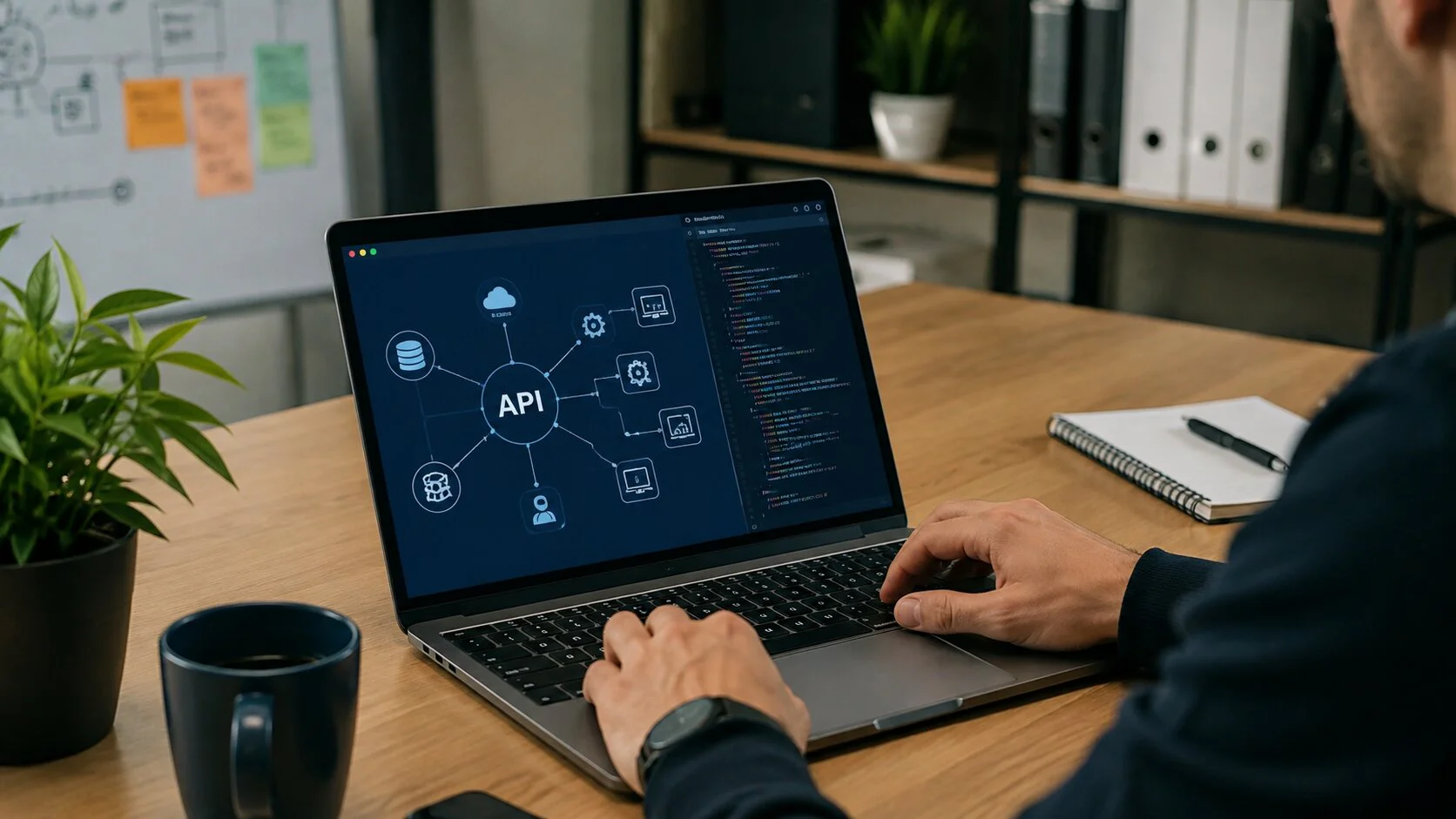
• Integrate the chatbot with your website, learning portal, or CRM system.
• Ensure data privacy and compliance with global education standards.
• Provide continuous improvement and support post-launch.
The right partner doesn’t just deliver software — they help you build a smarter digital ecosystem for your institution.
Once your chatbot is built and deployed, you’ll start noticing immediate improvements in communication and student satisfaction. To understand the measurable benefits of chatbots in education, explore our next article on how institutions are using conversational AI to transform learning
Final Thoughts: The Future Belongs to Smart Campuses
Education is evolving faster than ever — and so are student expectations. A well-designed conversational chatbot bridges the gap between technology and communication, ensuring no student feels unheard.
If your school or college wants to create a smarter, more connected campus, this is the time to act.
Partner with an expert app development company that can build an intelligent chatbot tailored to your vision.
Book a free consultation today and discover how conversational AI can redefine your institution’s future in 2025 and beyond.
--------------------------------------------------------------------------------------
What is a conversational chatbot for education?
It’s an AI-based tool that communicates with students, parents, and teachers in real time — offering instant, personalized assistance.
How can chatbots improve learning?
They simplify communication, answer questions instantly, and guide students through lessons or resources, improving engagement.
Are chatbots useful for admissions?
Yes. They can handle inquiries, explain course details, and even help applicants complete forms step by step.
Why should schools use conversational AI chatbots?
Because they reduce admin work, enhance communication, and provide 24/7 access to important information.
--------------------------------------------------------------------------------------
You May Also Read
Top 10 Benefits of Using a Conversational Chatbot for Education
Chatbot Take your User Experience to a Next Level
Conversational AI: How Chatbot Development is Transforming Customer Conversations
Subir Das
Senior Mobile App Developer, Idiosys Tech
A senior mobile app developer brings ideas to life with powerful Android and iOS apps. With a focus on innovation and user delight, he leads his team to create seamless, engaging, and impactful mobile experiences.