Building Intelligent Software: How AI Integration Enhances Custom Application Development
Technology is no longer just about building functional software. Businesses today expect systems that can think, adapt, and make decisions. This shift has made artificial intelligence a core component of modern digital solutions. Companies are now focusing on AI software development to create smarter systems that go beyond traditional automation.
From personalized user experiences to predictive decision-making, intelligent systems are transforming how applications operate. With the rise of intelligent application development, businesses can unlock deeper insights, improve efficiency, and deliver more value to their users.
This guide explains how AI can be integrated into custom applications and how it enhances performance, scalability, and user engagement.
Why Intelligent Applications Are the Future
Modern users expect more than static features. They want applications that understand behavior, respond in real time, and continuously improve. Traditional systems often struggle to meet these expectations.
This is where AI integration services play a crucial role.
By embedding artificial intelligence into applications, businesses can create systems that analyze data, learn patterns, and make informed decisions. This approach transforms standard applications into dynamic, adaptive platforms.
As competition increases across industries, AI software development is becoming a key differentiator. Businesses that adopt intelligent systems early gain a significant advantage in efficiency and innovation.
What is Intelligent Application Development?
Intelligent application development refers to building software that uses AI technologies to enhance functionality. These applications are capable of learning from data, predicting outcomes, and automating complex processes.
Unlike traditional systems, intelligent applications evolve over time. They improve performance based on user interactions and data insights.
With the help of AI integration services, businesses can embed machine learning models, natural language processing, and advanced analytics into their applications. This creates a more responsive and personalized user experience.
Key Ways AI Can Be Integrated into Applications
Integrating AI into software is not just about adding advanced features. It is about enhancing the core functionality of the application.
AI-Powered Chatbots and Virtual Assistants
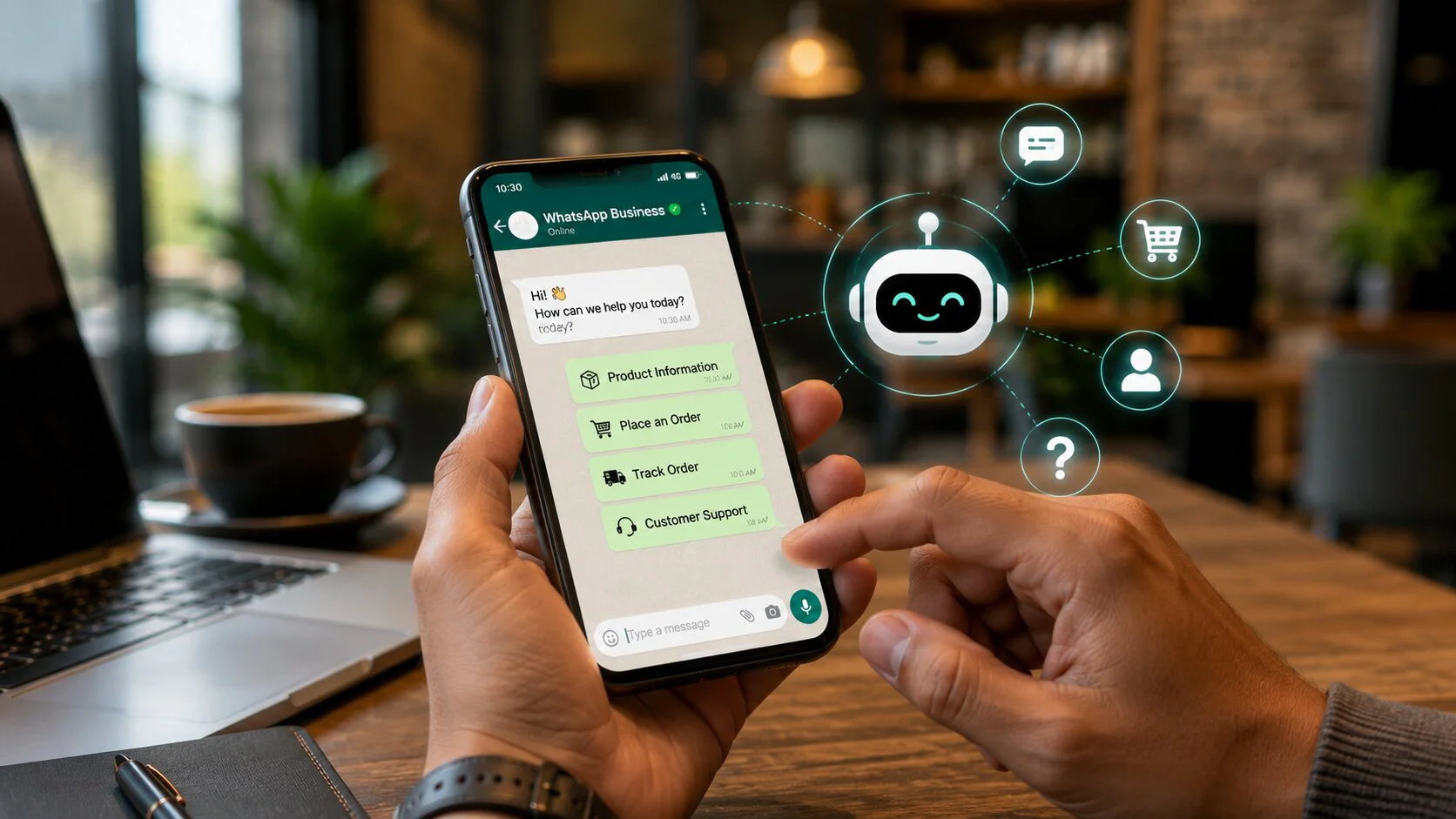
One of the most common uses of artificial intelligence is in chatbots and virtual assistants. These systems can handle customer queries, provide recommendations, and automate support processes.
Modern chatbots use natural language processing to understand user intent. This allows them to deliver accurate responses and improve over time. Through AI software development, businesses can build chatbots that operate across websites, mobile apps, and messaging platforms.
Chatbots also reduce the workload on support teams while improving response times and user satisfaction.
Predictive Analytics and Data Intelligence
Data is one of the most valuable assets for any business. However, raw data alone is not enough. It needs to be analyzed and transformed into actionable insights.
With intelligent application development, predictive analytics can be integrated into applications. These systems analyze historical data to forecast trends and user behavior.
For example, businesses can predict customer preferences, optimize inventory, or identify potential risks. AI integration services make it possible to embed these capabilities directly into software platforms.
Predictive systems enable better decision-making and help businesses stay ahead of market changes.
Personalization Engines
Users expect personalized experiences. Generic interfaces often lead to lower engagement and retention.
By using artificial intelligence, applications can tailor content, recommendations, and user journeys based on individual behavior. This level of personalization improves user satisfaction and increases conversion rates.
In AI software development, personalization engines analyze user data in real time. They adjust content dynamically, ensuring that each user receives a unique experience.
This approach is widely used in e-commerce, education, and content platforms.
Automation of Business Processes
Automation is a key benefit of integrating AI into applications. Routine tasks that once required manual effort can now be handled automatically.
Through intelligent application development, businesses can automate workflows such as data entry, document processing, and reporting. AI systems can also identify patterns and optimize processes without human intervention.
AI integration services enable organizations to streamline operations, reduce errors, and improve productivity.
Automation not only saves time but also allows teams to focus on strategic tasks.
Image and Voice Recognition
Advanced AI technologies enable applications to process visual and audio data. Image recognition systems can identify objects, faces, and patterns, while voice recognition allows users to interact with applications using speech.
These features enhance accessibility and user interaction. In industries such as healthcare, security, and retail, they play a critical role in improving efficiency and accuracy.
With the help of AI software development, businesses can integrate these capabilities into their applications, creating more interactive and user-friendly systems.
Benefits of AI Integration in Custom Applications
The integration of artificial intelligence into software offers several strategic advantages.
Enhanced User Experience
AI-driven applications provide faster responses, personalized content, and intuitive interfaces. This leads to higher user satisfaction and engagement.
Improved Decision-Making
Data-driven insights enable businesses to make informed decisions. Predictive analytics and real-time data processing reduce uncertainty and improve outcomes.
Increased Efficiency
Automation reduces manual work and minimizes errors. This improves operational efficiency and allows businesses to scale effectively.
Competitive Advantage
Companies that invest in AI software development can innovate faster and deliver better services. This helps them stand out in competitive markets.
Scalability and Adaptability
Intelligent systems are designed to evolve. As data grows, applications become more accurate and efficient. This makes intelligent application development a long-term investment.
Challenges in AI Integration
While AI offers numerous benefits, integrating it into applications comes with challenges.
Data quality is critical. Poor or incomplete data can lead to inaccurate predictions. Businesses must ensure that their data is clean and well-structured.
Another challenge is system complexity. Implementing AI requires expertise in machine learning, data science, and software development.
Security and privacy are also important considerations. Applications handling sensitive data must follow strict security protocols.
By working with experienced teams offering AI integration services, businesses can overcome these challenges and ensure successful implementation.
Choosing the Right AI Integration Strategy
Successful AI software development starts with a clear strategy. Businesses need to identify their goals and determine how AI can add value.
It is important to start with specific use cases. Whether it is improving customer support or optimizing operations, focusing on targeted applications ensures better results.
A scalable architecture is essential. Applications should be designed to handle increasing data and user demands.
Collaboration between technical teams and business stakeholders is also crucial. This ensures that AI solutions align with business objectives.
The Future of Intelligent Software
The role of artificial intelligence in software development will continue to grow. Emerging technologies such as deep learning, generative AI, and edge computing are expanding the possibilities of intelligent systems.
Future applications will become more autonomous, making decisions with minimal human input. This will transform industries such as healthcare, finance, and logistics.
As innovation accelerates, intelligent application development will become the standard rather than the exception.
Conclusion
The integration of artificial intelligence into custom applications is redefining how software is built and used. Businesses are moving beyond traditional systems to create intelligent platforms that deliver real-time insights and personalized experiences.
Through AI software development, organizations can automate processes, improve decision-making, and enhance user engagement. With the right AI integration services, businesses can build scalable and adaptive solutions that meet evolving demands.
Investing in intelligent software today ensures that businesses remain competitive in a rapidly changing digital landscape.
Shreya Roy
Junior Full Stack Web Developer, Idiosys Tech
A Junior Full Stack Web Developer with 1.5+ years of experience, builds responsive and user-friendly websites. Skilled in both front-end and back-end technologies, she is passionate about creating efficient and scalable digital solutions.