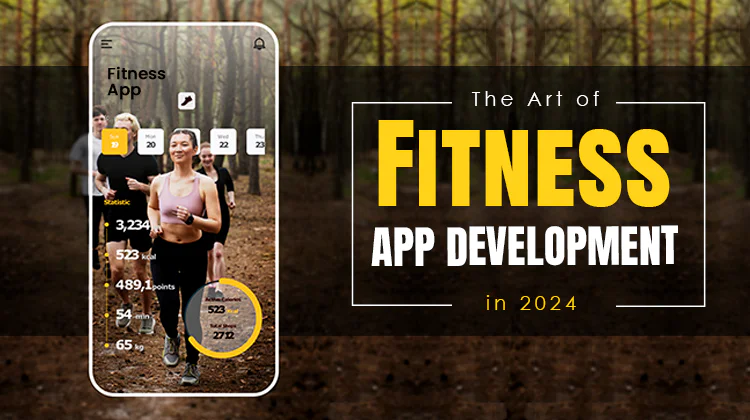
The Art of Fitness App Development in 2024
In a world where smartphones are our constant companions, fitness apps have become more than just a trend—they’re a lifestyle. Whether you're a health brand, a startup founder, or a tech innovator, 2024 is the perfect time to explore fitness app development. But creating a powerful, engaging fitness app isn’t just about tracking steps or calories. It’s about understanding user behavior, integrating cutting-edge technology, and complying with data regulations across regions.
In this guide, we’ll explore the full journey of fitness app development—from ideation to monetization—so you can build an app that users love and trust.
Why Fitness App Development Is Booming in 2024
People are now more health-conscious than ever. From home workouts to wearable-connected tracking, fitness apps are helping users stay in control of their wellness journeys. And with AI, gamification, and personalized coaching on the rise, the expectations from fitness apps are getting higher every year.
For startups and brands, this isn’t just a health movement—it’s a business opportunity. The global market for fitness apps is expected to keep growing fast. That means more room for innovation, engagement, and revenue.
Key Types of Fitness Apps You Can Develop
Fitness apps today are more diverse than ever. Depending on your target audience, you can build apps for:
• Workout and training – On-demand video workouts, guided plans, and performance analytics.
• Activity tracking – Real-time GPS, steps, calories burned, and integration with wearables.
• Nutrition and diet planning – Personalized meal plans, calorie counters, and water reminders.
• Mind-body wellness – Yoga, meditation, and stress-relief programs.
• Fitness challenges and social fitness – Community features and leaderboard systems.
By offering niche-focused features, you’ll not only attract more users but also improve retention.
Need ideas for features like meditation or wellness tracking? This blog on wellness app development dives deeper.
Step-by-Step Fitness App Development Process
Let’s break down the entire fitness app development journey:
1. Market Research and Goal Setting
Understand your user base—what problems do they face? Which competitors are doing well, and why? Your market insights will shape your app’s features and monetization model.
2. Choose the Right Tech Stack
A scalable backend, secure database, and reliable frameworks are crucial. If you’re planning for both Android and iOS, cross-platform tools like Flutter or React Native can save time and cost.
3. Wireframing and UI/UX Design
Focus on simplicity. Clear navigation, intuitive buttons, and calming colors all contribute to a better user experience. Consider accessibility too—make your app friendly for all age groups.
4. Core Feature Development
This phase includes building your main modules—tracking, user profiles, wearable integrations, and more. Hiring skilled app developers ensures your code is clean, efficient, and scalable.
5. Compliance and Security
Planning to launch in the U.S. or Europe? Make sure your fitness app follows HIPAA (for health data security) and GDPR (for data privacy) guidelines. It builds user trust and protects you legally.
6. Testing and Debugging
Conduct usability tests, stress tests, and beta testing. Fix bugs, improve speed, and optimize the UI for various screen sizes.
7. Launch and Optimize
Once live, collect user feedback and track KPIs like DAUs (Daily Active Users) or retention rates. Keep iterating based on real usage.
Must-Have Features for a Modern Fitness App
To stand out in 2024, your fitness app needs more than just step counters. Here are the top features users expect:
• Real-time tracking with GPS or wearables
• Personalized workout plans using AI
• In-app video coaching
• Goal setting and progress dashboards
• Gamification—badges, points, challenges
• Push notifications for daily motivation
• Community features—groups, chats, and forums
• Multilingual support to appeal to global users
By offering value-driven features, your app becomes more than a tool—it becomes a habit.
How to Monetize Your Fitness App
While your goal is to offer value, revenue matters too. Here are proven monetization strategies:
• Freemium Model – Free core features + paid premium content (like personal coaching or advanced analytics)
• Subscription Plans – Monthly or yearly memberships for workouts, plans, or ad-free use
• In-App Purchases – Offer upgrades like specialized diet charts or exclusive workouts
• Ads – Use non-intrusive ads smartly for revenue without ruining UX
• Affiliate Partnerships – Recommend fitness gear or health supplements
Choose the strategy that fits your audience and business model.
Why Hiring the Right App Development Company Matters
A successful fitness app isn’t built overnight. You’ll need a team that understands mobile UX, security, and real-time data processing. A skilled fitness app development company will ensure your product is robust, scalable, and optimized for both global and local markets.
Looking for a team that understands wearable tech, AI integration, or multilingual interfaces? The right app development company will guide you through every step—design, compliance, testing, and beyond.
And if you’re targeting users in the U.S. Midwest or nearby areas, collaborating with Idiosys Tech, a leading mobile app development company in Minnesota can help meet specific local needs and regulations.
Going Beyond Fitness: Mental Wellness Matters Too
More users are looking for apps that offer holistic wellness—both physical and mental. So why not explore features like mood tracking, mental health check-ins, and mindfulness sessions?
Want inspiration? Check out our post on mental health app development to explore how wellness and fitness intersect.
Final Thoughts
Fitness app development in 2024 is more exciting than ever. With the right idea, tech stack, and development team, you can create an app that motivates, engages, and retains users. Whether you're targeting a global audience or a local niche, your app has the potential to make a real impact on people’s lives—and your bottom line.
Ready to bring your fitness app idea to life?
Contact our experts and start building your game-changing app today.
——————————————————————————————————
What are the key features of a fitness app?
Real-time tracking, AI personalization, video coaching, and gamification are must-haves.
How do I start building a fitness app for my business?
Begin with market research, then consult with experienced app developers to design and build your app.
Which tech stack is best for fitness app development?
It depends on your goals, but Flutter, React Native, Node.js, and Firebase are common choices.
Can I integrate wearable devices into my fitness app?
Absolutely. Most fitness apps connect with devices like Fitbit, Apple Watch, or Garmin for better tracking.
What’s the cost of developing a fitness app?
Costs vary by features, platform, and developer rates. It's best to request a personalized quote.
How do I monetize a fitness app?
Use subscriptions, freemium plans, in-app purchases, or partner with fitness brands for affiliate sales.
——————————————————————————————————
You May Also Read
Wellness App Development: Key Features and Common Challenges
Mental Health App Development: Key Features, Proven Benefits, and Smart Solutions
How Custom Fitness & Gym Management Apps Are Boosting Member Retention in 2026
Idiosys Tech
Editorial Team, Idiosys Tech
Part of the Idiosys Tech team, working with clients across healthcare, eCommerce, and enterprise software to deliver solutions that scale.