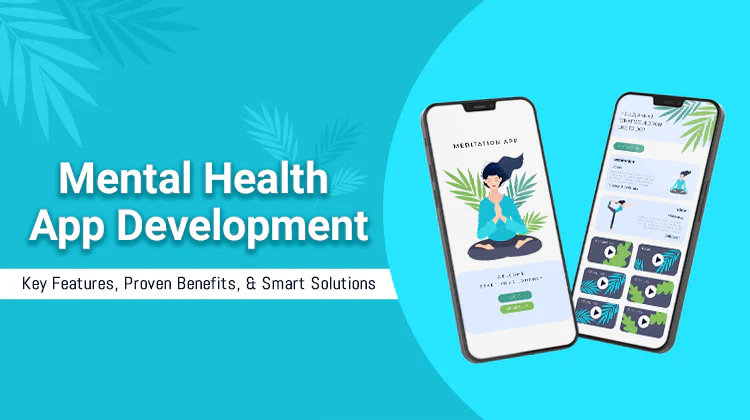
Mental Health App Development: Key Features, Proven Benefits, and Smart Solutions
Mental health is no longer a taboo topic—thankfully. With growing awareness worldwide, digital platforms are making it easier for people to access emotional support on their terms. That’s where mental health app development comes in.
These apps are changing how individuals manage anxiety, depression, stress, and more. Whether you're a startup, a healthcare provider, or a wellness brand, investing in a thoughtfully designed mental health app can make a real impact.
In this blog, we’ll walk you through the essential features, tangible benefits, and smart development strategies that go into building a standout mental health app in 2025.
Why Mental Health Apps Matter in 2025
More people are looking for ways to support their emotional well-being. Mobile solutions provide privacy, flexibility, and immediate access—key factors that make mental health apps so valuable.
With the rise in user demand, businesses worldwide are looking to partner with expert Mental Health App Developers who understand both technical and psychological requirements.
Key Features That Every Mental Health App Should Include
The best mental health apps balance technology with empathy. Below are the must-have features that users expect and trust.
1. Personalized Onboarding and Assessments
A simple onboarding process helps users feel at ease. Add brief mental health assessments to personalize user journeys.
2. Guided Meditation and Breathing Exercises
These tools offer immediate relief during stressful moments. Many popular Mental Health Apps now integrate these calming features into their core experience.
3. Journaling and Mood Tracking
Allowing users to write down their thoughts promotes reflection. Mood logs help people recognize emotional patterns over time.
4. Expert Therapy Access (Live or Chat-Based)
Link users with certified therapists through secure video or messaging options. This makes professional help more accessible and less intimidating.
5. Crisis Management Support
In emergencies, fast action matters. Provide quick-dial emergency numbers, grounding exercises, and AI-led chat assistance.
Proven Benefits of Mental Health App Development
Investing in app-based mental wellness tools isn’t just good for your users—it can also build lasting brand loyalty.
1. Improves Accessibility
Apps remove the barrier of distance and offer help 24/7. This is especially helpful for people in remote areas or with mobility issues.
2. Encourages Self-Help Habits
A well-designed app guides users toward daily mindfulness, journaling, or check-ins, reinforcing healthier habits.
3. Builds Emotional Awareness
Through features like mood tracking and daily reflections, users learn to understand and manage their feelings better.
These types of benefits are also discussed in our blog on wellness app development, where mental and physical health often intersect.
Challenges in Building Mental Health Apps—and Smart Solutions
Every opportunity comes with challenges. Let’s explore what can go wrong in development and how to fix it.
1. Data Privacy and Compliance
Mental health data is highly sensitive. Your app must comply with regulations like HIPAA (US), GDPR (EU), or India’s DPDP law.
Smart solution: Use encrypted storage, clear consent flows, and role-based access for therapists and admins.
2. Content Personalization
Each user’s emotional journey is unique. Generic advice can feel irrelevant.
Smart solution: Use AI to analyze user inputs and provide tailored suggestions and exercises.
3. UI/UX That Feels Safe
A cluttered, complex interface can trigger user anxiety rather than calm it.
Smart solution: Work with an experienced app design company to ensure that the layout is clean, soothing, and intuitive.
How to Build a Mental Health App That Stands Out
If you want users to trust your app and use it regularly, here are the top strategies to follow during development.
1. Collaborate with Mental Health Professionals
Their input ensures the app’s content is psychologically sound and ethically safe.
2. Focus on Scalability from Day One
Plan for future features and integrations, whether that’s multilingual support or therapy matching algorithms.
3. Test with Real Users
Build in time for usability testing. Feedback from real users will guide smart feature adjustments.
If you're already exploring other wellness niches like fitness or lifestyle support, our blog on fitness app development offers insights into building habit-forming, goal-oriented digital tools.
Why Choosing the Right Tech Partner Matters
A successful app isn’t just about ideas—it’s about execution. That’s why it’s crucial to hire the right partner for the job.
Working with an experienced mental health app development company ensures that your app is reliable, secure, and compliant.
If you’re seeking a mobile app development company in Kolkata or a seasoned app developer in Kolkata, make sure they have a proven track record in wellness technology.
Final Thoughts: Build with Care, Scale with Confidence
Mental health is deeply personal. Your app should reflect empathy, respect, and usability. With the right approach, technology can serve as a powerful ally in emotional wellness.
Looking to get started? Our team includes skilled developers from a trusted app development company in Kolkata, ready to build secure and engaging mental health solutions tailored to your vision.
Have a project in mind? Let’s talk—book a free consultation to explore your app idea further.
--------------------------------------------------------------------------------------
Why are mental health apps becoming popular?
Because they offer privacy, accessibility, and easy tools to support emotional well-being. They empower users to take control of their mental health.
What are the key features of a mental health app?
Core features include mood tracking, journaling, guided meditations, live therapy options, and crisis support tools.
How long does it take to develop a mental health app?
It depends on the app’s complexity, but typically 3 to 6 months for a robust MVP.
Is it possible to monetize a mental health app?
Yes. Popular methods include freemium models, subscription plans, and in-app purchases.
What platforms can the app be built for?
We develop for iOS, Android, and cross-platform frameworks depending on your target audience and budget.
Can I add multilingual support to my mental health app?
Absolutely. Adding language options can boost adoption in diverse markets like India, Europe, and the US.
--------------------------------------------------------------------------------------
You May Also Read
Wellness App Development: Key Features and Common Challenges
Sayantan Santra
Associate Mobile App Developer, Idiosys Tech
An Associate Mobile App Developer with 2+ years of experience, creates sleek and user-friendly apps. Skilled in both Android and iOS development, he focuses on delivering smooth performance and engaging user experiences.