
7 Ways to Make Your Site Mobile Friendly
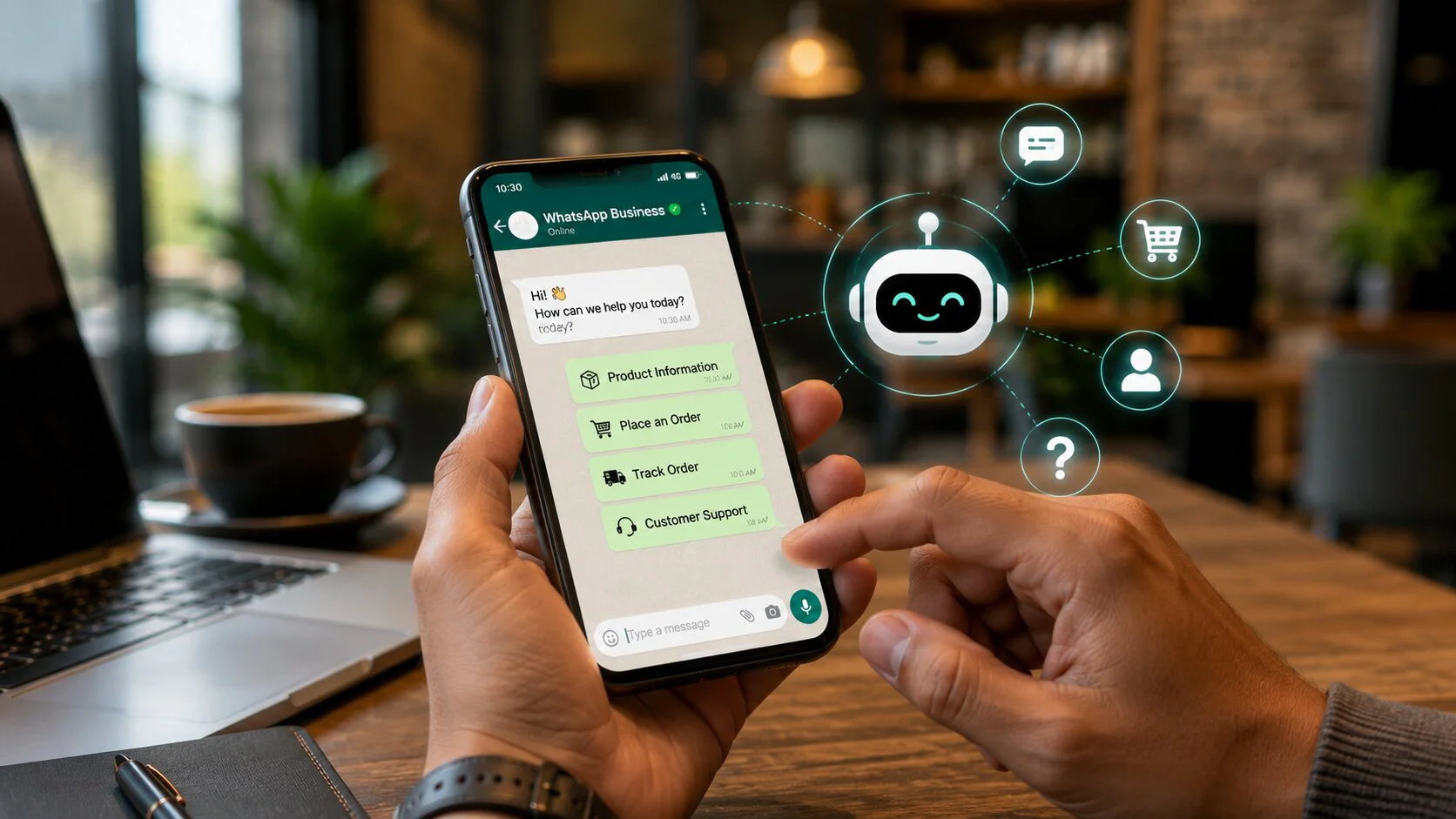
Is your website mobile friendly? If not, you could be missing out on a huge portion of potential visitors. Mobile traffic is now a primary source of online engagement. In fact, recent surveys show that over 65% of web users browse websites using mobile devices or tablets. This shift means that mobile-friendly websites are no longer just a luxury—they are a necessity.
With this change in mind, it's time to ask yourself: Is my website ready for the mobile-first world? If you're not sure how to make your site mobile-friendly, don't worry! This guide will show you how to adapt your website so it’s optimized for all devices, ensuring that visitors enjoy a smooth experience no matter how they access your site.
1. Embrace Responsive Web Design
Responsive web design is essential for a mobile-friendly website. It allows your site to adapt to the screen size of any device, whether it’s a smartphone, tablet, or desktop. Instead of creating multiple versions of your site for different screen sizes, responsive design adjusts the layout automatically to fit the screen of the device being used.
For businesses looking to stay ahead, working with a website design company in London can help you implement responsive design effectively. Their expertise ensures that your website will look great on any device, enhancing the user experience and improving your site’s overall performance.
2. Use Mobile-Friendly Frameworks
Frameworks like Bootstrap, Foundation, and Skeleton are designed to make your website mobile-ready. These frameworks provide pre-designed grids and components that automatically adjust to fit mobile screens. They save time and help create a more reliable, responsive website.
Using a framework designed for mobile responsiveness can save you significant development time and ensure a smoother, faster user experience. If you're unsure about the best framework for your website, consider reaching out to website developers in London. They can guide you in selecting the right framework to meet your needs.
3. Keep Your Layout Simple and Clean
One of the simplest ways to ensure that your website is mobile-friendly is by choosing a clean, simple layout. A complex layout with too many elements can make your site difficult to navigate, especially on smaller screens. Large images, excessive text, and complicated navigation menus can slow down your website and make it harder for users to find what they need.
When designing your website, less is often more. By focusing on a simple design, you can make your website more user-friendly and improve its performance across devices. A streamlined design not only looks good on mobile but also ensures that your visitors can easily access key content without unnecessary distractions.
4. Optimize Images and Files for Faster Load Times
Mobile devices tend to have slower internet speeds than desktops, so optimizing your website’s images and files is crucial. Large image files can cause your website to load slowly, leading to a poor user experience and higher bounce rates. To prevent this, use image formats like JPEG or WebP, and compress your images to reduce their file size without sacrificing quality.
Additionally, it’s important to optimize CSS and JavaScript files. Unoptimized files can slow down your website, making it difficult for mobile users to navigate quickly. If you’re not sure how to optimize your images and files, Idiosys UK, the best web development company in London can help you with the technical aspects, ensuring that your website loads quickly on any device.
5. Avoid Using Flash
Flash is an outdated technology that isn’t supported by most mobile devices. If your website still relies on Flash for content or animations, it could be causing issues for mobile users. Flash can slow down your website and make it difficult for users to interact with your content, especially on mobile devices.
Instead of using Flash, consider using HTML5 and CSS3 for multimedia content. These technologies are more compatible with mobile devices and provide a better experience for users. Flash-free websites tend to load faster and are easier to maintain in the long run.
6. Use Readable Font Sizes
Choosing the right font size is critical for mobile-friendly web design. On small screens, text that’s too small can be hard to read. It's important to choose a font size that’s easy to read on mobile devices without the need for zooming in.
Stick to standard, web-safe fonts that scale well across different screen sizes. Avoid using too many decorative fonts that could negatively affect readability. If you’re unsure about the best font sizes for mobile, a website design company in London can offer expert advice and help you choose fonts that enhance both aesthetics and usability.
7. Optimize for Touch
Mobile users interact with websites using their fingers, not a mouse. This means that your website needs to be designed with touch-friendly navigation. Buttons should be large enough to tap easily, and links should be spaced out enough to avoid accidental clicks.
Make sure that touch targets, such as buttons and links, are at least 44x44 pixels in size, as recommended by Apple’s human interface guidelines. This ensures that mobile users have a smooth experience when navigating your site. If you're unsure how to make your website touch-friendly, website developers in London can help you optimize your site for a better mobile user experience.
Conclusion: Take Action for a Mobile-Friendly Future
Making your website mobile-friendly is essential for staying relevant in today’s digital world. By following these seven tips, you’ll ensure that your website provides an excellent user experience, whether visitors are browsing from a desktop or a mobile device.
However, if you’re still feeling unsure about the process, or if you need professional assistance, there’s no harm in seeking expert help. If you’re looking for a trusted partner to help you with mobile-friendly design, working with Idiosys, one of the web development companies in London could be the perfect solution.
YOU MAY ALSO READ :
MAGENTO: POPULAR E-COMMERCE PLATFORMS
CARDS LAYOUT IS THE LATEST TRENDS IN WEB DESIGN?
BENEFIT OF USING A CONTENT MANAGEMENT SYSTEM
Idiosys Tech
Editorial Team, Idiosys Tech
Part of the Idiosys Tech team, working with clients across healthcare, eCommerce, and enterprise software to deliver solutions that scale.